Music Therapy for
Childhood Early Intervention, Growth & Development
Every child deserves the chance to grow, connect, and be heard. Music therapy meets children exactly where they are — and opens doors that nothing else quite can.
Why Music Therapy?
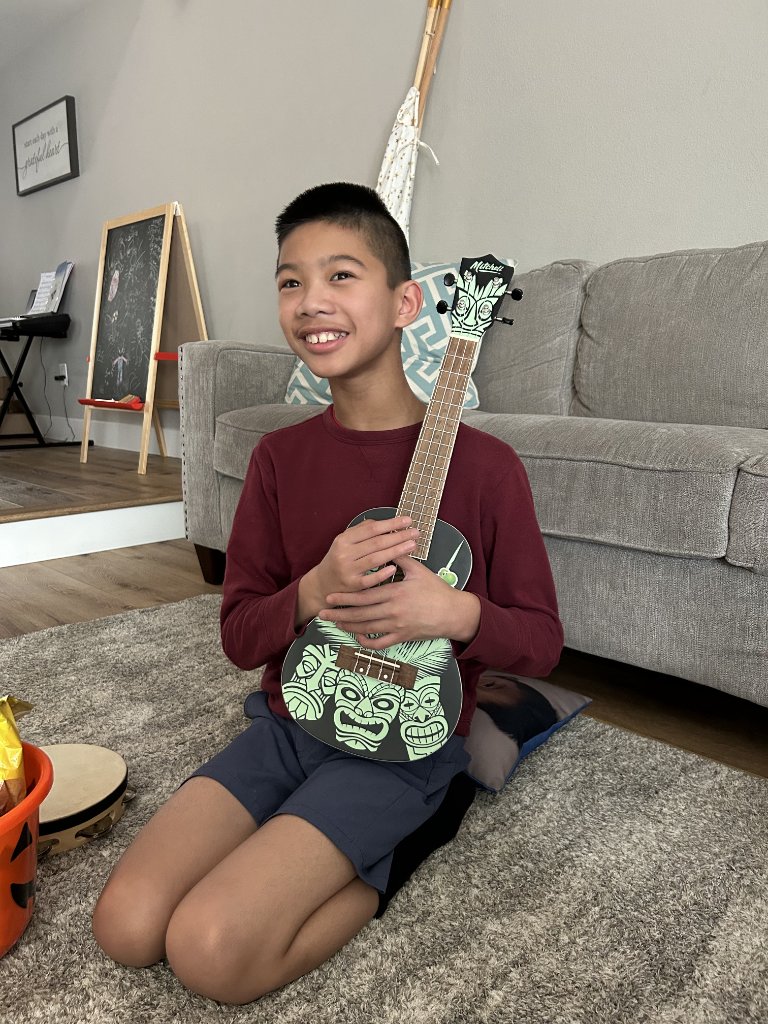
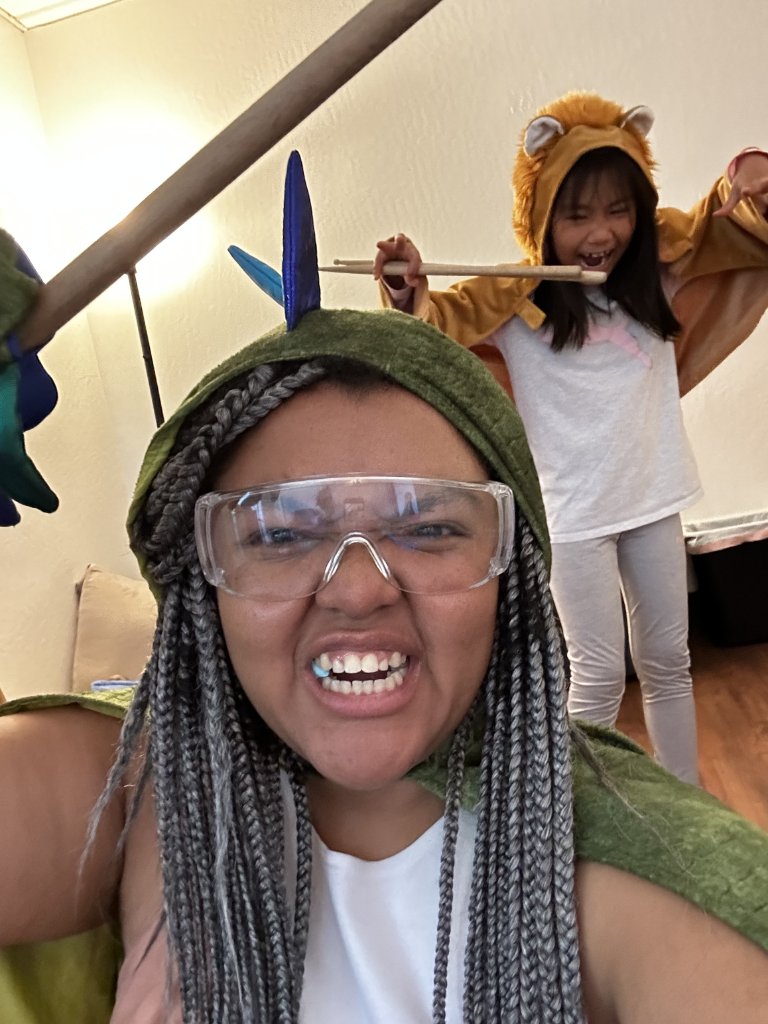
Children are wired for music. Long before they can read or reason, they respond to rhythm, melody, and the sound of a caring voice. This instinct is not incidental — it is the foundation of everything we do. Music therapy harnesses this natural connection to target meaningful developmental goals in a way that feels to the child not like therapy, but like the best part of their week.
Our board-certified music therapists collaborate closely with families, educators, and care teams to design individualized sessions grounded in the latest research. We celebrate every milestone — and we know that progress, in all its forms, is worth celebrating.
🏛️ Bee You Music Therapy is a Regional Center Vendor and is available to serve clients through the Self-Determination Program (SDP).
Diagnoses & Conditions We Support
We have experience working with children across a wide spectrum of diagnoses and developmental needs.
Down Syndrome
ADHD
Pathological Demand Avoidance
Autism
Williams Syndrome
NICU
Typically Developing Children
Speech Delays
Sensory Sensitivities
Cerebral Palsy
Learning Disabilities
Don't see a specific diagnosis or condition listed? Book a free consultation with us to see if we are able to work with you or your loved one!
Schedule a ConsultationHow Music Therapy Helps
Each area below reflects a real therapeutic goal — supported by research and experienced firsthand by the families we serve.
Rhythm & Motor Development
The body naturally wants to move with music. Through rhythmic entrainment — synchronizing movement to a steady, predictable beat — children build the timing, coordination, and motor planning that underpin so many daily skills. Drumming, instrument exploration, and movement activities transform hard therapeutic work into something that genuinely feels like play.
Speech & Language
Music and speech share overlapping neural pathways, which is why singing often comes more easily than speaking for many children. Our therapists use songs, call-and-response chants, and melodic intonation techniques to help children develop vocabulary, articulation, and the confidence to communicate — regardless of where they're starting from.
Sensory Integration
For children whose nervous systems are easily overwhelmed or under-stimulated, music offers a beautifully structured sensory experience. The predictable patterns of rhythm, the warmth of vibration, and the invitation of sound help children feel safe, grounded, and present in their bodies — often when nothing else quite reaches them.
Social & Emotional Skills
Music is inherently relational. When children make music together, they practice the very skills that make relationships possible: taking turns, reading cues, waiting, listening, and celebrating one another. These are not just music skills — they are life skills, practiced joyfully and repeatedly in every session.
Cognitive & Academic Readiness
Music is one of the most powerful tools we have for building the brain. Working memory, sequencing, attention, and pattern recognition — the foundations of learning — are all exercised through music. Pairing academic concepts with melody helps children retain information in ways that worksheets simply cannot replicate.
Self-Regulation & Emotional Expression
Children experience enormous emotions that they often lack the words or strategies to manage. Music gives them a safe, non-threatening outlet — a way to express what's happening inside without having to explain it. Through improvisation, guided listening, and songwriting, children learn to recognize their feelings and find their way back to calm.
Session Rates
Choose the session length that best fits your needs and schedule.
Let's Talk About Your Child
Every child's path is unique. Book a free consultation and we'll take the time to understand your child's needs, answer your questions, and explore what music therapy might look like for your family.
Book a Free Consultation